
When someone you love is growing older — or you are — the questions arrive gently and then all at once: how often to check in, how to make a home safer, what care costs, who holds the documents, what Mum would have wanted said. This hub holds those questions with warmth and honesty: elder parent check-in planning, falls-prevention home audits, care option maths, funeral cost estimates, end-of-life document checklists, memory concern signposts, medication plans, mobility aid decisions, grief resources, driving conversations, downsizing, retirement identity, grandparenting, financial abuse warnings, hospital companions, home care hiring, connection in later life and legacy letters. Educational only, kind always — never medical, legal or financial advice, and never a diagnosis — and the full detailed report costs less than a coffee: $2.95.
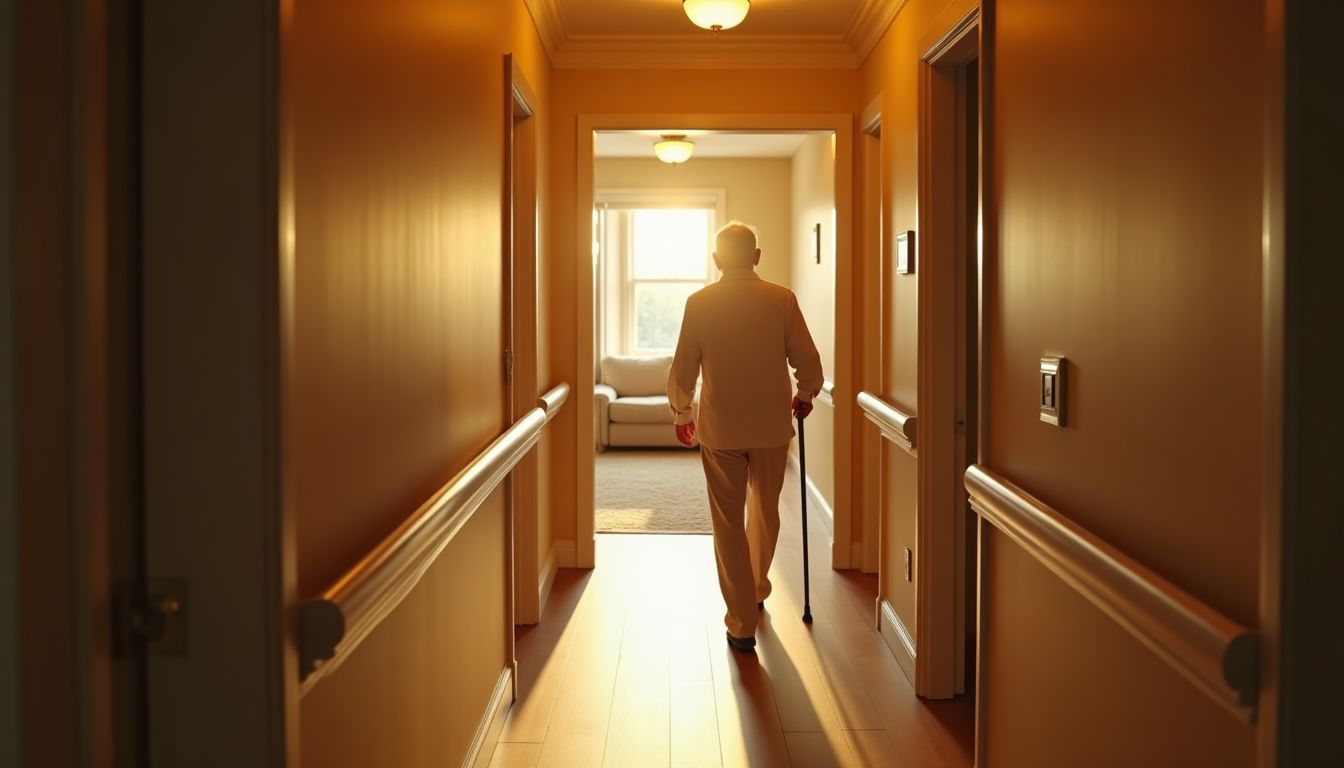
The moment a walking aid starts to look sensible is delicate: pride, denial and genuine uncertainty all crowd in at once. This decision aid makes the moment calmer by making it factual. Four honest ratings — how often unsteadiness shows up, how stamina holds through the day, how much the home itself adds risk, and whether falls or near-misses have happened — combine into a single picture with a clear recommendation: seek a professional assessment soon, arrange one, or keep building strength and reviewing yearly. The guidance is educational only and never a prescription: no tool can name the right aid for a person, but a clear signpost to a doctor, physiotherapist or occupational therapist is almost always the correct first step.
A gentle decision aid for the moment a walking aid starts to look sensible — how much unsteadiness, stamina, home risk and fall history are really there, and what the honest next step is.
No — it is the opposite. A properly fitted aid is a tool for keeping independence: people with the right aid keep walking, shopping and visiting friends, while people who refuse one often stop those things first out of fear of falling. The aid protects the life, not the other way around.
Yes. A cane used on the wrong side, or a walker that is the wrong height or too wide for the doorways, can increase falls rather than prevent them. That is why the honest advice is a professional fitting or assessment before buying, not after.
Book a doctor visit regardless of how they feel — one fall doubles the chance of another, and the cause (medication, blood pressure, vision, balance) is often treatable. Ask about an occupational therapy home assessment too; the combination of medical review and home fixes is the real falls-prevention plan.
Every tool answers instantly from our own knowledge and calculators — no AI wait, no account. Honest maths and gentle, plain-language guidance, always educational and never a substitute for professional advice: ageing, care needs, legal rules, costs and health situations differ by person, country and time, so each answer tells you what is generally true, what to check locally, and who the right professional is to turn to — a doctor, a lawyer, a financial adviser, an occupational therapist, a funeral director. Results are estimates and reflection aids, not medical, legal or financial opinions, and nothing you type is stored. Want the deeper, personalised version? Each has a $2.95 full report.